
TREATMENT INFORMATION
Laser treatment can be considered for selected refluxing veins. Catheter-based endovenous laser differs from surface laser, so defining the target vessel is an important part of planning.
What is endovenous laser treatment?
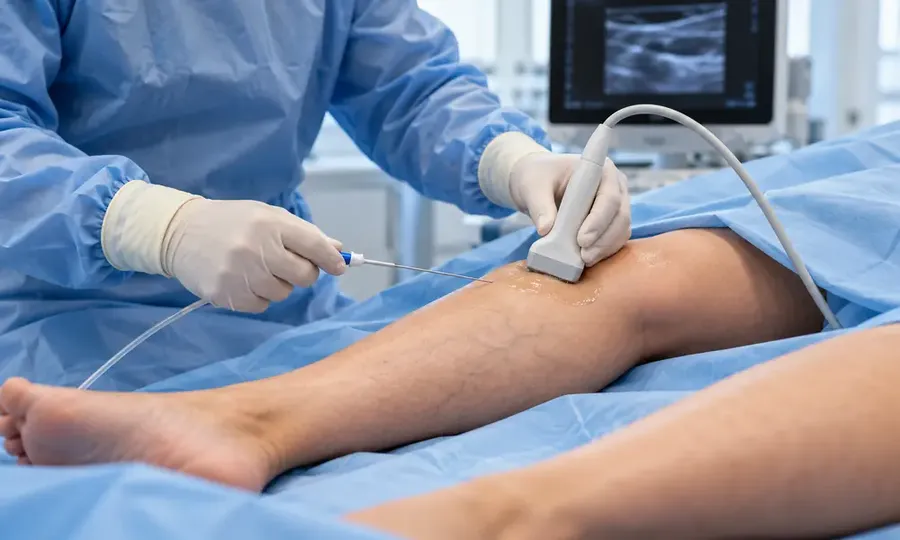
Endovenous laser delivers energy through a thin catheter positioned inside a selected superficial vein. It aims to close a refluxing vessel in a controlled way.
Anatomy and examination determine suitability. Every visible vein does not need catheter treatment; small surface vessels may require a different technique or no intervention at all.
How does it differ from surface laser?
Surface laser directs energy through the skin towards small superficial vessels. Endovenous laser works from inside a vein.
Targets, preparation, anaesthesia and aftercare therefore differ. When researching laser treatment in Samsun, ask which procedure is being proposed and why it suits the vessel under assessment rather than comparing the word laser alone.
Examination and vein mapping
Assessment considers pain, heaviness, swelling, thrombosis and previous vein procedures. Duplex ultrasound maps reflux, anatomy and connections to support planning. The clinician considers whether tributaries also need treatment.
Share allergies, medical history and medication details. Reflux on a report does not automatically make laser appropriate for every patient.
How is the procedure performed?
The vein is accessed under ultrasound guidance and the laser fibre positioned at the planned target. Tumescent local anaesthesia around the vein supports comfort and protection of surrounding tissue. Energy is delivered as the device is withdrawn in a controlled manner.
Additional tributary treatment is a separate decision. Duration depends on treatment extent and individual circumstances.
Potential benefits and risks
For suitable patients, treatment may use smaller access sites than open surgery. Possible risks include bruising, tenderness, tightness, pigmentation, nerve effects, thermal skin injury and thrombosis.
It should not be described as risk-free or universally painless. Discuss benefits, alternatives and recurrence rather than expecting that future vein problems are impossible.
Recovery and review
Activity, compression and any follow-up ultrasound are individualised. Returning to work, strenuous exercise and travel involves different practical questions depending on the procedure and daily demands.
New unilateral swelling or worsening pain requires assessment. Chest pain or breathlessness needs emergency help rather than waiting for a routine appointment.
The target is the vein wall
Endovenous laser aims to create a controlled thermal effect on the wall of a selected vein from within the vessel. Technical details depend on medical planning, and a device brand alone should not determine suitability.
Nearby tissues and nerves must be considered along the treatment course. Mapping therefore helps define the limits and individual risks of intervention, not simply the place where a catheter enters the leg.
The role of tumescent local anaesthesia
Tumescent fluid around the vein supports pain control and creates a fluid layer between the vessel and surrounding tissue. Several needle entries may be needed, and brief stinging can occur. Local anaesthesia does not guarantee an identical experience for every patient.
Discuss allergies, other illnesses and previous anaesthetic problems beforehand. Additional anaesthetic needs depend on personal circumstances and treatment extent rather than a universal promise about comfort.
Trunks and tributaries are assessed separately
A refluxing superficial trunk on ultrasound and bulging tributaries are different targets. Some tributaries may need separate consideration after treatment of the trunk. Selected patients may discuss small-access tributary treatment or sclerotherapy.
These steps do not necessarily occur on the same day. Understanding which component addresses which vessel helps explain why some visible veins may remain and why further review does not automatically indicate a failed procedure.
Tightness and bruising afterwards
Tenderness, a pulling sensation and bruising may occur along the treated course. Duration and severity vary. Follow the specific activity advice rather than deciding that strenuous exercise is appropriate solely because the leg feels comfortable.
New numbness, worsening pain or marked swelling warrants assessment. Pain relief should also take account of existing medicines and illnesses. The pattern of recovery is more informative than comparing one day with another person’s experience.
Work and travel planning
Desk work, prolonged standing and heavy lifting place different demands on recovery. Discuss the actual job rather than applying a single return-to-work date. Mention planned long journeys or flights before the procedure so immobility and individual clotting risk can be considered.
An online day count cannot fit every situation. Treatment extent, medical history and review findings inform advice for each stage of everyday activity.
How is the longer-term response reviewed?
Response is not reduced to first-day appearance. Changes in symptoms, examination and imaging when appropriate are interpreted together. Other vessels can develop reflux or become visible later.
This risk varies and cannot be attributed solely to lifestyle. Clarifying what will be monitored and how to seek review for new concerns makes follow-up more useful. It also prevents the assumption that every later vessel needs the same intervention.
Can appearance alone establish the diagnosis?
A visible vessel does not by itself establish clinically significant venous insufficiency or a need for treatment. Conversely, heaviness and swelling can occur without prominent surface veins. Assessment combines the onset and pattern of symptoms, their relationship to standing and examination findings.
Muscle, joint or nerve conditions can also cause leg pain, so treating visible veins may not address every complaint. The source of symptoms should be considered before any procedure.
What history should be discussed?
Previous thrombosis, vein surgery and injection procedures can influence a new plan. Share the current medication list, allergies, other illnesses and mobility limitations. Pregnancy and breastfeeding need specific consideration when discussing timing and method.
Do not stop an anticoagulant or any other prescribed medicine based on an online description. Earlier ultrasound reports may support comparison, although the clinician may decide that updated imaging is appropriate for the current question.
What should be discussed before deciding?
Discuss the target vessel, the intended benefit and the symptoms the procedure may not explain. Options can include observation or another technique, depending on the findings. Anaesthesia, possible complications, review and additional sessions should form part of the conversation.
Informed consent is based on an individual assessment rather than a standard online description. Take time to clarify uncertainties, including what may happen if intervention is deferred and how symptoms will be monitored.
Movement and longer-term monitoring
Calf muscle activity supports venous return. Walking appropriate to general health and breaking up prolonged stationary periods may help symptom management. These habits do not correct every incompetent valve or guarantee that new veins will never appear.
Aftercare depends on the method, mobility and occupational demands. Later symptoms may require reassessment rather than automatically repeating the same procedure. Discuss how progress will be judged and which changes warrant an earlier review.
Frequently asked questions
Does laser remove all spider veins?
Endovenous and surface laser target different vessels; assessment determines the appropriate technique.
Is anaesthesia used?
Endovenous laser commonly involves tumescent local anaesthesia, with an individual anaesthetic plan.
Could further treatment be needed?
Yes. Other vessels, persistent symptoms or later recurrence may justify reassessment.
Content / editor contact